How to Choose the Perfect Paint Color for Your Home

Choosing the right color for your home can be a challenging task, but it is also an exciting opportunity to express your personality and create a welcoming environment. Colors have the power to influence our mood, perception of space, and even the temperature of a room. In this guide, we’ll explore how you can select the perfect color for each room in your home, considering factors like lighting, personal style, and the function of each space.
Understanding Color Psychology
Before diving into color choices, it’s important to understand how colors affect our emotions and behaviors. Color psychology studies how different tones can influence our perception and feelings. Here are some common colors and their associations:
• Blue: Promotes calmness and tranquility. Ideal for bedrooms and bathrooms.
• Green: Associated with nature and renewal. Works well in living rooms and kitchens.
• Yellow: Brings happiness and energy. Great for kitchens or social areas.
• Red: Stimulates passion and energy. Best for entertainment areas like dining rooms.
• Neutrals (white, gray, beige): Create a versatile and timeless base, allowing you to add color through décor and accessories.
Considering Linghting
Lighting is one of the most important factors when choosing paint colors. Natural and artificial light can significantly change how a color appears.
• Natural Light: Observe how daylight affects the color at different times. Colors may appear warmer in the morning and cooler in the afternoon.
• Artificial Light: Different bulbs (incandescent, fluorescent, LED) produce different color temperatures. Always test your paint under the lighting you use at home.
Defining Your Home Style
Your home’s style should guide your color choices. Here are some popular styles and color suggestions:
• Modern: Neutral colors with bold accents. Think whites, grays, and a pop of blue or yellow.
• Rustic: Earthy and natural tones like browns, greens, and beiges.
• Classic: Timeless colors such as navy blue, olive green, and white.
• Minimalist: A limited palette, usually neutral tones with one or two accent colors.
Choosing Colors for Each Room
Living Room
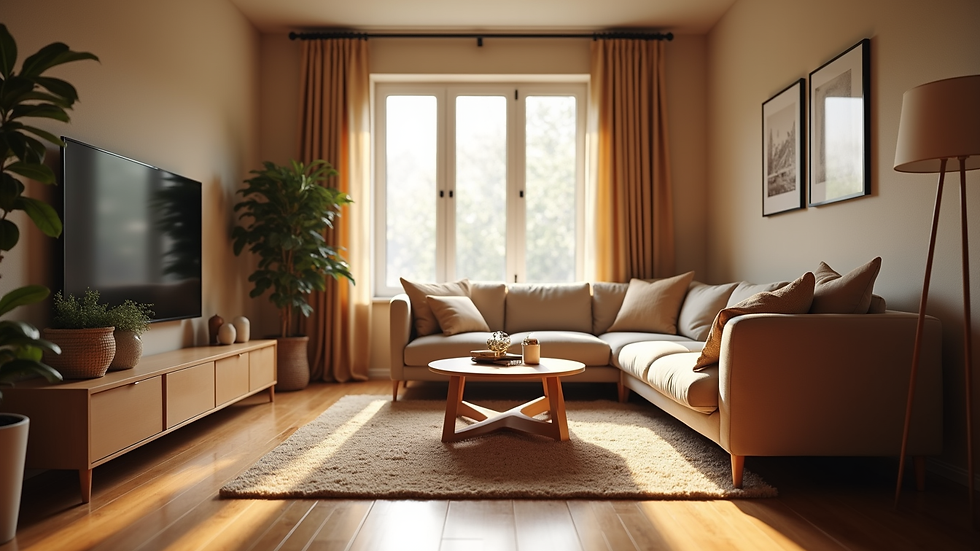
The living room is where you welcome friends and family. Choose colors that create a warm and inviting atmosphere. Warm tones like beige or terracotta are great options. If you prefer something neutral, a soft gray works well and allows you to add color through furniture and décor.
Kitchen
The kitchen is the heart of the home and should reflect energy and vitality. Colors like yellow or light green can stimulate appetite and create a cheerful environment. You can also use colorful tiles as a focal point.
Bedroom
The bedroom should be a place of relaxation. Soft colors like light blue, lavender, or mint green help create a calming atmosphere. Avoid very bright colors that can be too stimulating.
Bathroom
Bathrooms are often small, so lighter colors help make the space feel larger. Shades of white, light blue, or aqua create a sense of freshness and cleanliness.
Home Office
If you work from home, color choice is important. Blue and green tones can improve focus and productivity. Avoid very dark colors that may feel heavy or overwhelming.
Testing Colors
Before committing to a color, it’s essential to test it. Here are some tips:
1. Paint Samples: Buy small samples and apply them to your wall. Observe how the color changes throughout the day.
2. Large-Scale View: If possible, paint a larger section or even a full wall to better understand how it looks in the space.
3. Accessories: Use pillows, curtains, or artwork to see how the color matches with your décor.
The Importance of Accessories
Wall color is just one part of the overall design. Accessories like furniture, curtains, and artwork play a big role in creating the final look.
• Complementary Colors: Use the color wheel to find tones that work well together. For example, a blue wall pairs nicely with orange accents.
• Textures: Mixing textures adds depth to your space. Combine soft fabrics with harder surfaces for balance.
Color Maintenance
After choosing and applying your paint, maintenance is key to keeping your home looking fresh.
• Regular Cleaning: Keep walls clean to prevent fading or buildup.
• Quick Repairs: Fix scratches or marks as soon as possible.
• Updates: Don’t be afraid to refresh your colors over time. Seasonal changes can bring new life to your space.
Conclusion
Choosing the perfect paint color for your home is a journey that involves your personal style, the function of each room, and the influence of lighting. By understanding color psychology, testing your options, and considering your home’s overall design, you can create a space that not only looks beautiful but also feels comfortable and inviting.
Remember, color is a form of expression. Your home should reflect who you are—so don’t be afraid to experiment and enjoy the process.


Comentários